Dolmabahce Interior Design - Furniture, Textiles, and Decorative Detail
Discover the fine interior details of Dolmabahce Palace and learn what furniture, fabrics, and motifs reveal about status and taste.
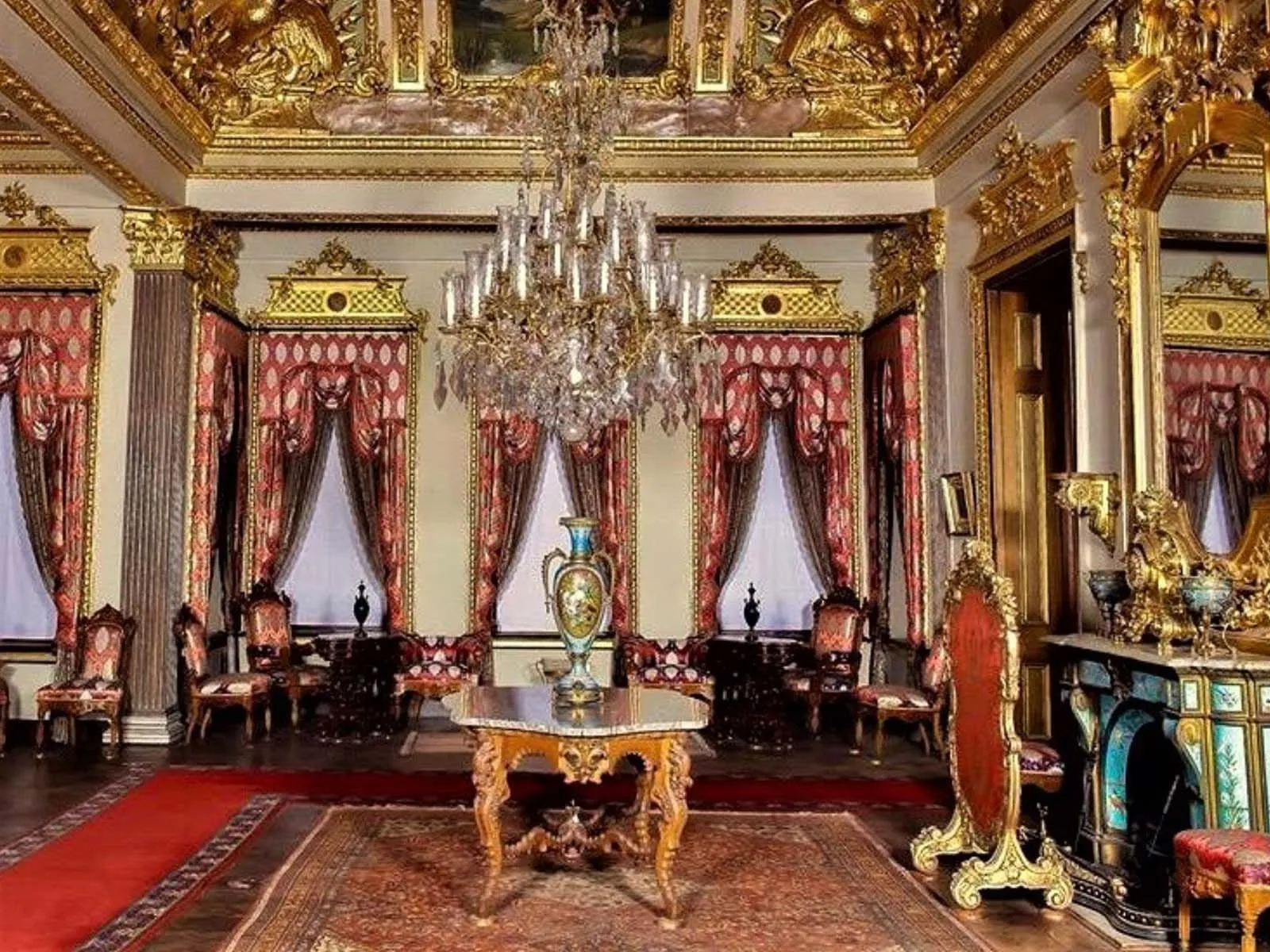
Large rooms capture attention. Small details capture memory.
What to zoom into
- Chair legs, table edges, and carved junctions
- Textile textures and curtain weight
- Layered colors in ceilings and wall treatments
A practical observation grid
| Element | What to look for | What it suggests |
|---|---|---|
| Seating | Placement symmetry | Protocol and hierarchy |
| Textiles | Density and color | Thermal comfort + prestige |
| Lighting | Crystal placement | Directed visual emphasis |
Slow-looking method
- Pick one room and spend 5 full minutes there.
- Note one object at eye level, one above eye level, one near the floor.
- Compare mood before and after this exercise.
Micro-details are macro-history in disguise.
Tiny field notes template
- Room:
- Dominant color:
- Material that surprised me:
- One detail I almost missed:
The palace's emotional force does not come only from size; it comes from precision. Every surface participates.
Narrative close-up method
When you slow down enough to read furniture and textiles, you begin to see Dolmabahce as a choreography of touch, posture, and protocol.
Room-by-room micro study
| Focus area | Observation prompt |
|---|---|
| Seating geometry | Who is centered, who is peripheral? |
| Textile layering | Does the room feel ceremonial or lived-in? |
| Surface reflectivity | Where is your gaze being directed? |
Long-look exercise (10 minutes)
- Choose one room and stay still for two minutes.
- Move clockwise and document five material transitions.
- Summarize the room mood in one metaphor.
Detail is where atmosphere becomes evidence.
By the end of this exercise, you'll likely remember fewer objects but understand more. That's a good trade: less visual noise, more interpretive clarity.
Об авторе

Istanbul Heritage Desk
Этот гид написан для путешественников, которым нужно больше, чем быстрая фото-остановка. Долмабахче требует контекста: истории реформ, церемониальности, упадка и переосмысления, сформировавшие последний век османской власти и оставившие выдающееся архитектурное наследие на Босфоре.
Tags
Comments (0)
Loading comments...