Accessible Dolmabahce Guide - Mobility, Comfort, and Route Planning
Use this practical accessibility-focused guide to plan a comfortable Dolmabahce Palace visit with realistic pacing and support strategies.
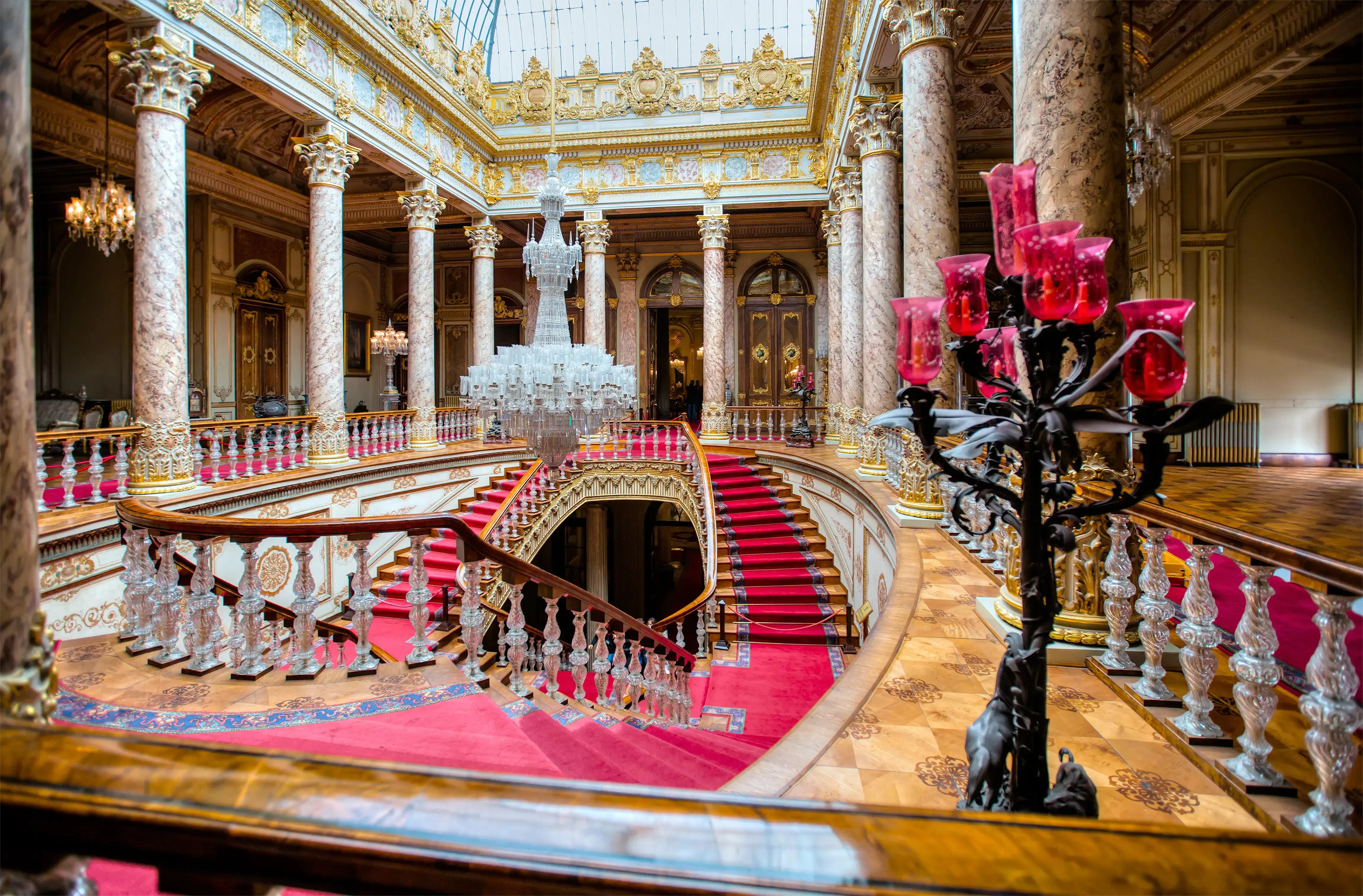
Accessibility planning is not about lowering expectations. It is about improving experience quality.
Before you go
- Confirm current access routes and assistance options.
- Ask staff about the most step-light sequence.
- Plan extra transition time between sections.
Energy-aware route
| Phase | Goal | Comfort focus |
|---|---|---|
| Entry | Smooth orientation | Avoid crowd compression |
| Core highlights | Prioritize value | Add seated pauses |
| Exit/gardens | Gentle finish | Shortest practical path |
Practical comfort toolkit
- Water and small snack
- Weather layer
- Medication timing plan
- Backup transport option after visit
Best practice: decide what to skip in advance. Planned omission reduces stress.
Keep this mindset
You do not need to "complete" the palace to have a meaningful visit. A focused 90-minute route with comfort intact beats a strained 4-hour route every time.
Expanded inclusive narrative
Inclusive planning is interpretive planning. When movement feels manageable, attention can move from logistics back to architecture and meaning.
Comfort-first planning tree
- Define your non-negotiable highlights.
- Identify potential fatigue points on the route.
- Insert proactive pauses before fatigue appears.
Low-stress benchmark table
| Signal | Adjustment |
|---|---|
| Crowding rises | Pause in a quieter transition zone |
| Energy declines | Skip one optional interior sequence |
| Time pressure builds | End with gardens instead of rushing |
Accessibility is not a special route. It is good route design for real humans.
A comfort-preserving strategy often yields better cultural memory because it reduces strain and protects focus exactly where the palace is most expressive.
关于作者

Istanbul Heritage Desk
这份指南写给不满足于匆匆打卡的旅行者。多尔玛巴赫切值得放在更大的历史语境里理解:改革、礼仪、衰退与再造的故事,共同塑造了奥斯曼权力最后一个世纪,也在博斯普鲁斯海峡留下了非凡的建筑遗产。
Tags
Comments (0)
Loading comments...