Dolmabahce Palace History - Tanzimat, Empire, and Republic
Discover the historical significance of Dolmabahce Palace and how it reflects Ottoman reform, global influence, and the transition to modern Turkey.
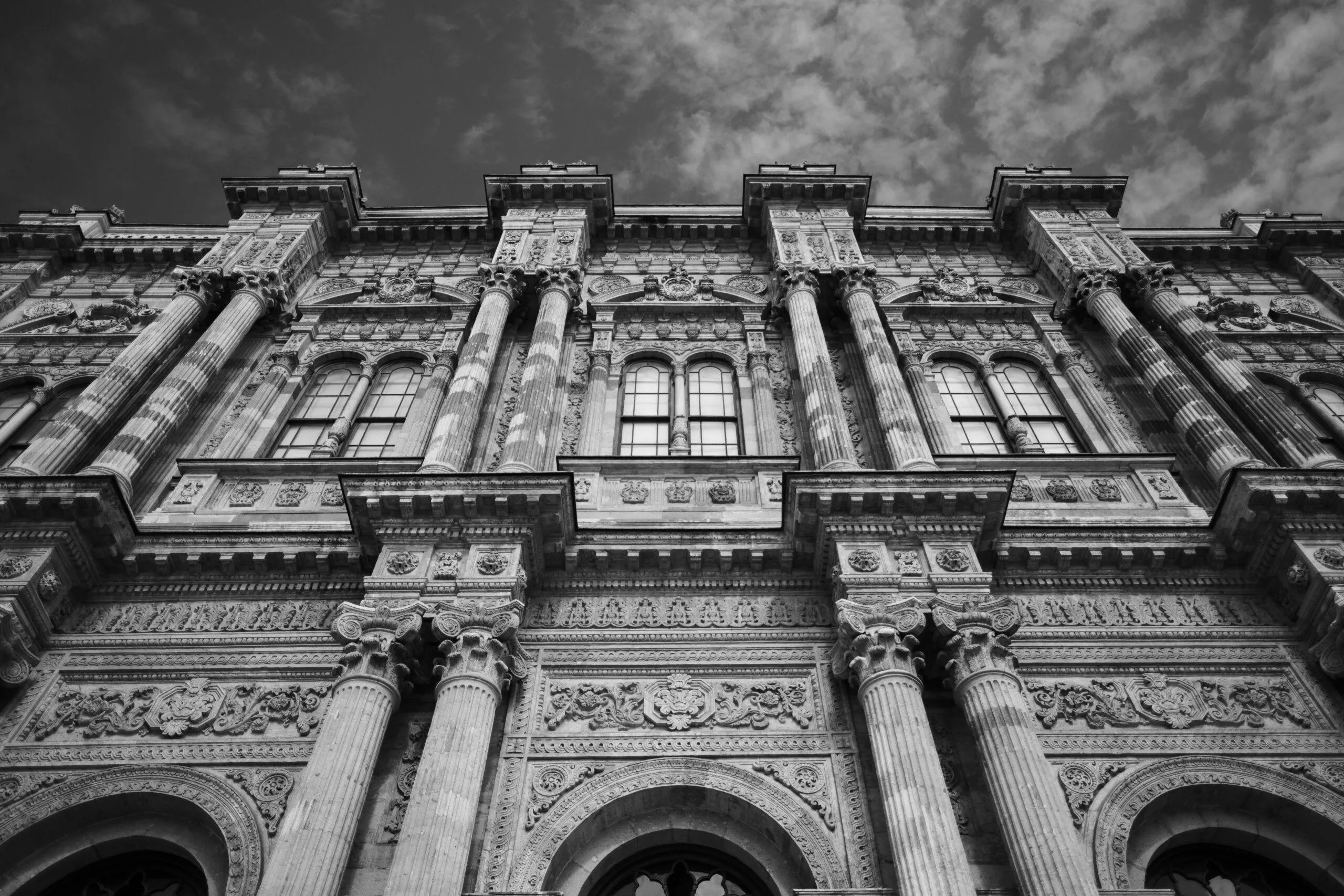
Dolmabahce was not built merely as a residence. It was staged as an argument: the empire could reform, modernize, and still remain itself.
Why the palace mattered
- It shifted imperial gravity from Topkapi's inward courts to a waterfront of diplomacy.
- It adopted European design languages while preserving Ottoman court protocol.
- It became a theatre of statecraft in a century of pressure and negotiation.
In short: architecture became policy you could walk through.
Timeline at a glance
| Period | What changed | Why it matters |
|---|---|---|
| Mid-19th century | Construction and imperial move | Symbolized reform-era confidence |
| Late empire | Ceremonial use intensified | Diplomacy and image became central |
| Early republic | Reframed as national heritage | Empire's space entered a new narrative |
Narrative walk through time
1) The reform pulse
The Tanzimat era required institutions, law, and also symbols. Dolmabahce supplied the symbolic language: grand halls, protocol routes, and a visual statement that Istanbul was in conversation with Europe.
2) Ceremonial politics
In the state's most formal rooms, scale mattered. Height, mirrors, and chandeliers communicated continuity at moments when continuity felt fragile.
3) The republican chapter
Later, the palace entered collective memory in a different register: less imperial stage, more historical archive of transition.
Notes for history-first visitors
- Visit with a time-ordered mental map.
- Compare public rooms vs private quarters.
- Spend 20 minutes by the water facade to read the urban context.
Quick lens:
Space = message
Route = ritual
Decoration = political vocabulary
[^context]: If you have time, pair this visit with nearby Besiktas and ferry viewpoints to understand how the palace addressed the city and sea simultaneously.
Expanded historical lens
To read Dolmabahce historically, track three transitions happening at once:
- Court life shifting from older palace habits to a more outward diplomatic choreography.
- Visual culture shifting from inward dynastic symbolism to trans-imperial performance.
- Urban identity shifting toward a Bosphorus-facing modern image of governance.
A practical historian's method
| Step | What to do | Why it works |
|---|---|---|
| Context first | Read a short chronology before entry | Rooms become legible faster |
| Compare spaces | Public halls vs private quarters | Reveals political vs domestic logic |
| End on waterfront | Rebuild spatial context from outside | Connects architecture to city strategy |
Dolmabahce is not a static relic; it is a built document of change.
In that sense, the palace is best understood as a conversation between certainty and adaptation. Its rooms display confidence, yet its historical moment was full of negotiation, pressure, and reform. That tension is exactly what makes the site so compelling for modern visitors.
关于作者

Istanbul Heritage Desk
这份指南写给不满足于匆匆打卡的旅行者。多尔玛巴赫切值得放在更大的历史语境里理解:改革、礼仪、衰退与再造的故事,共同塑造了奥斯曼权力最后一个世纪,也在博斯普鲁斯海峡留下了非凡的建筑遗产。
Tags
Comments (0)
Loading comments...