Where Ottoman ceremony met modern transformation
At Dolmabahçe, architecture does not just decorate history; it narrates it in stone, crystal, silk, and light.
Table of Contents
Before Dolmabahçe: imperial capitals and shifting priorities
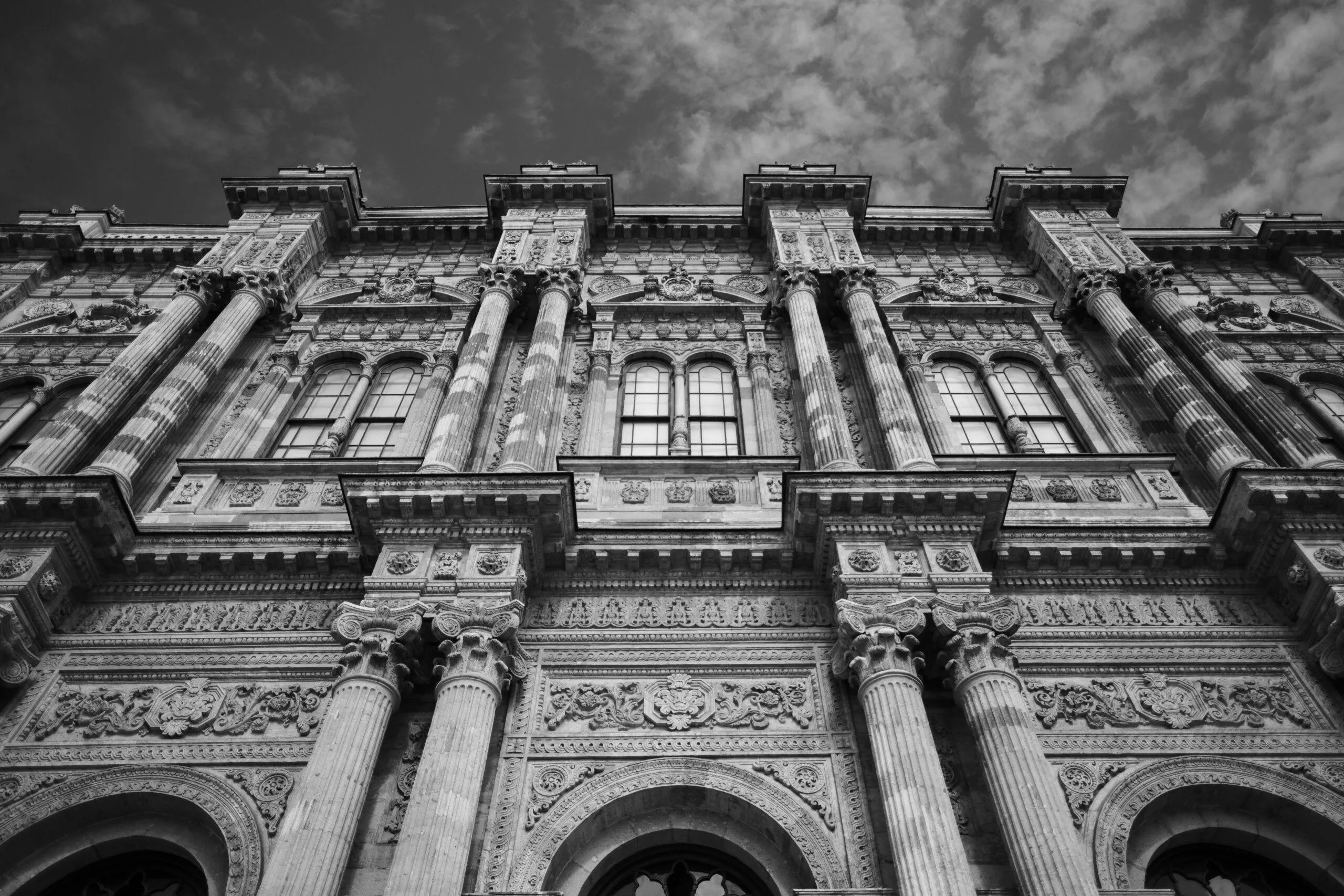
Long before Dolmabahçe rose along the Bosphorus, Ottoman court life was centered in earlier palace complexes, most famously Topkapı. Those spaces reflected an older model of sovereignty: inward-looking, layered, ceremonial, and deeply tied to classical imperial protocols. Yet by the 18th and 19th centuries, the empire faced new diplomatic pressures, military challenges, and administrative reforms. A changing world demanded a changing visual language of rule. Istanbul itself was transforming into a modern imperial capital connected to European powers through trade, diplomacy, finance, and technology, and the court needed a stage that could speak fluently in that new international vocabulary.
In that climate, the idea of a new palace was not merely aesthetic ambition; it was political communication. Architecture had become argument. The state needed to project continuity and strength while signaling adaptability. Dolmabahçe emerged from this transitional moment: neither a rejection of Ottoman identity nor a simple imitation of Europe, but a complex attempt to present empire as modern, cultured, and globally conversant. Seen this way, the palace begins before its first stone was laid—inside the tensions and aspirations of a century in motion.
Why build a new palace on the Bosphorus
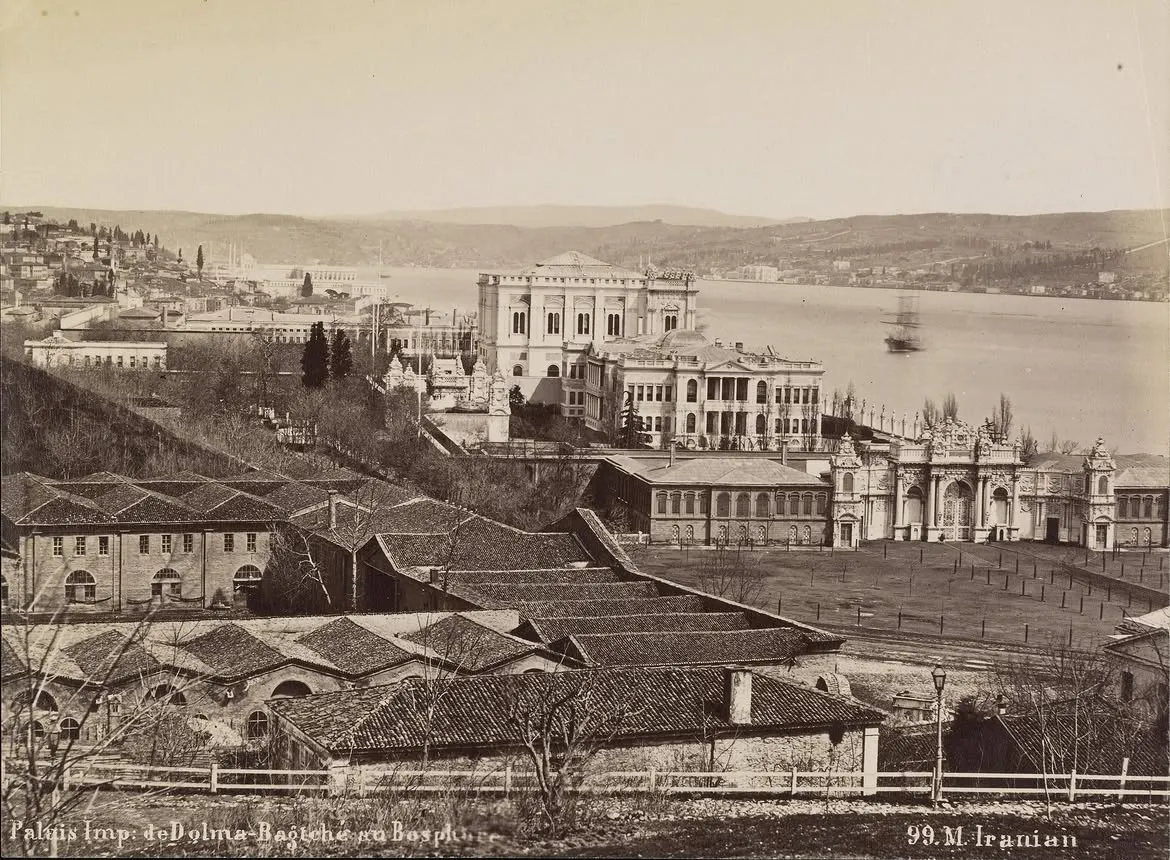
The choice of site mattered as much as the building itself. The Bosphorus was not just scenic water; it was a geopolitical corridor where embassies, merchants, naval movement, and urban life converged. Building an imperial residence here meant placing sovereignty in full public view, visible from land and sea alike. The shoreline became a ceremonial façade, a statement to arriving dignitaries and passing observers: the empire was present, elegant, and institutionally alive.
There is also a symbolic poetry in the name Dolmabahçe, often interpreted as filled garden, linked to land reclaimed and reshaped over time. That transformation mirrors the broader project of the palace itself: to remake inherited space into a modern imperial environment. In practical terms, the location improved access, visibility, and representation. In historical terms, it announced a shift in how power wished to be seen.
Design language: Ottoman prestige and European influence
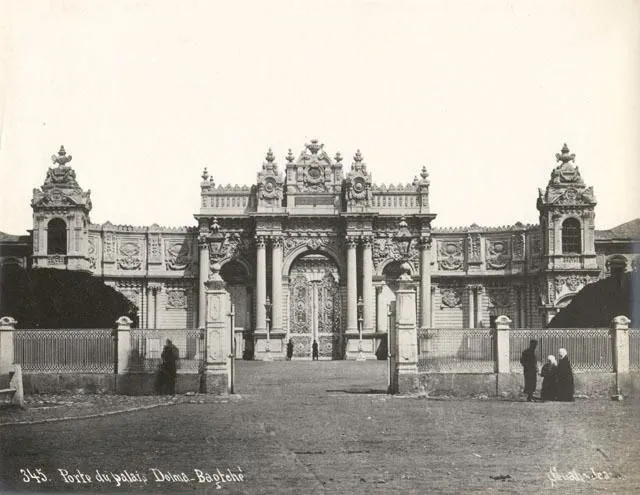
Dolmabahçe is frequently described as European in style, but that shorthand only captures part of the story. Yes, you see strong references to Baroque, Rococo, and Neoclassical decorative vocabularies: dramatic symmetry, theatrical ceilings, monumental staircases, and richly ornamented surfaces. Yet these elements are not copied blindly. They are curated, adapted, and folded into Ottoman ceremonial needs, court rhythms, and political symbolism. The result is a hybrid language, confident and deliberate.
This fusion reveals the sophistication of late Ottoman cultural policy. Rather than presenting tradition and modernity as opposites, Dolmabahçe stages them side by side. You encounter local craftsmanship alongside imported luxury, imperial protocol framed within cosmopolitan design, and deeply rooted political institutions rendered through updated visual forms. For visitors today, this blend is one of the palace’s most compelling features: it feels at once familiar and unique, recognizably global yet unmistakably Istanbul.
Ceremony, protocol, and diplomatic theater
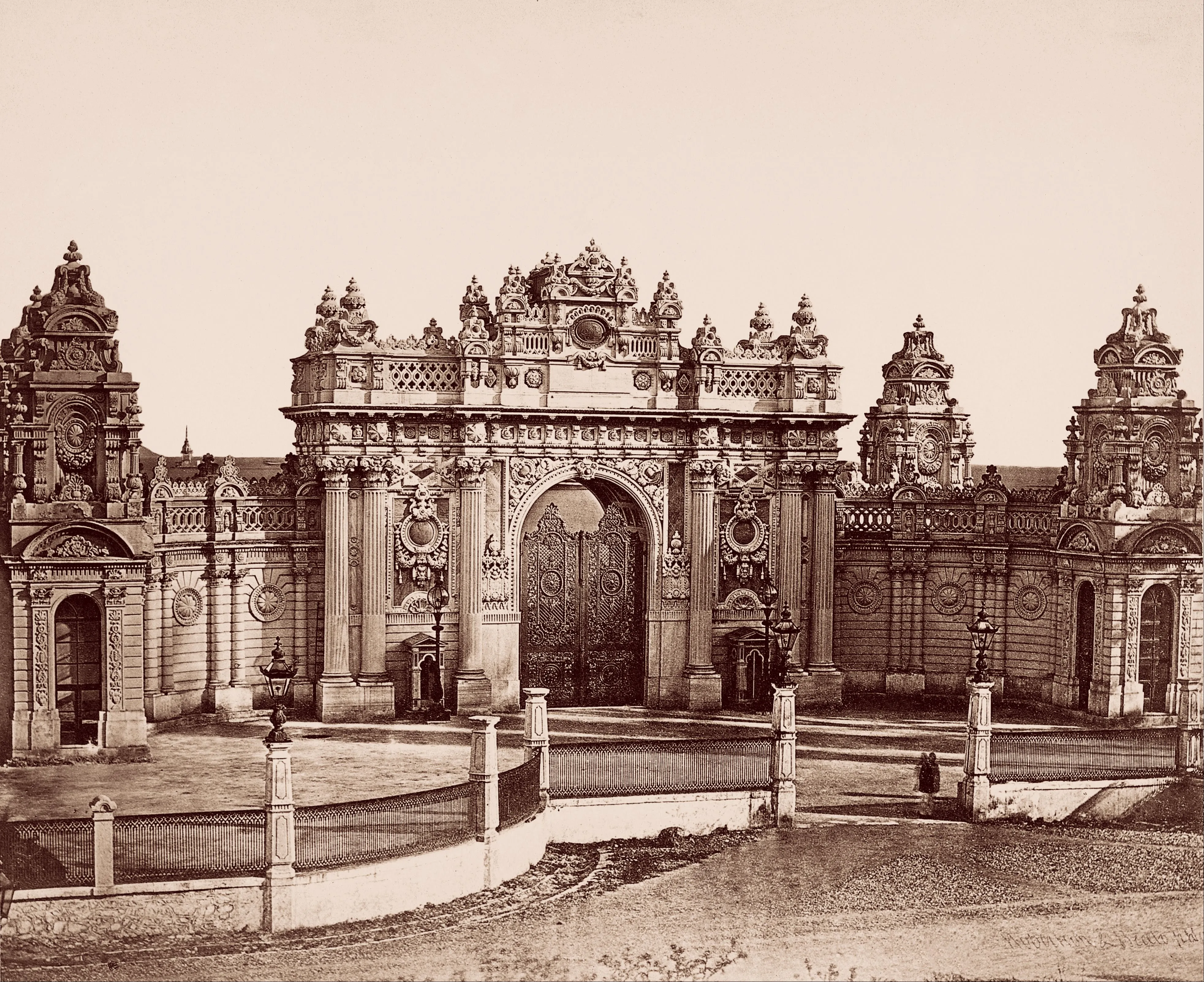
To walk through Dolmabahçe is to understand that palaces are machines of choreography. Every axis, threshold, and reception room shaped how rank was perceived and how ritual unfolded. Diplomatic audiences, state receptions, and ceremonial gatherings were not random social encounters; they were tightly scripted events where architecture amplified political meaning. Distances between doors, heights of ceilings, and sequences of rooms all contributed to the grammar of authority.
In that sense, Dolmabahçe functioned as diplomatic theater in the most refined form. Foreign envoys did not simply enter a building; they entered a narrative of order, wealth, and continuity. The palace signaled that the Ottoman state understood international norms of representation and could perform them at the highest level. Even today, standing in those halls, visitors often feel the residual energy of staged encounters—moments when history was negotiated in conversation, posture, and architectural spectacle.
Inside the palace: state rooms and symbolic spaces
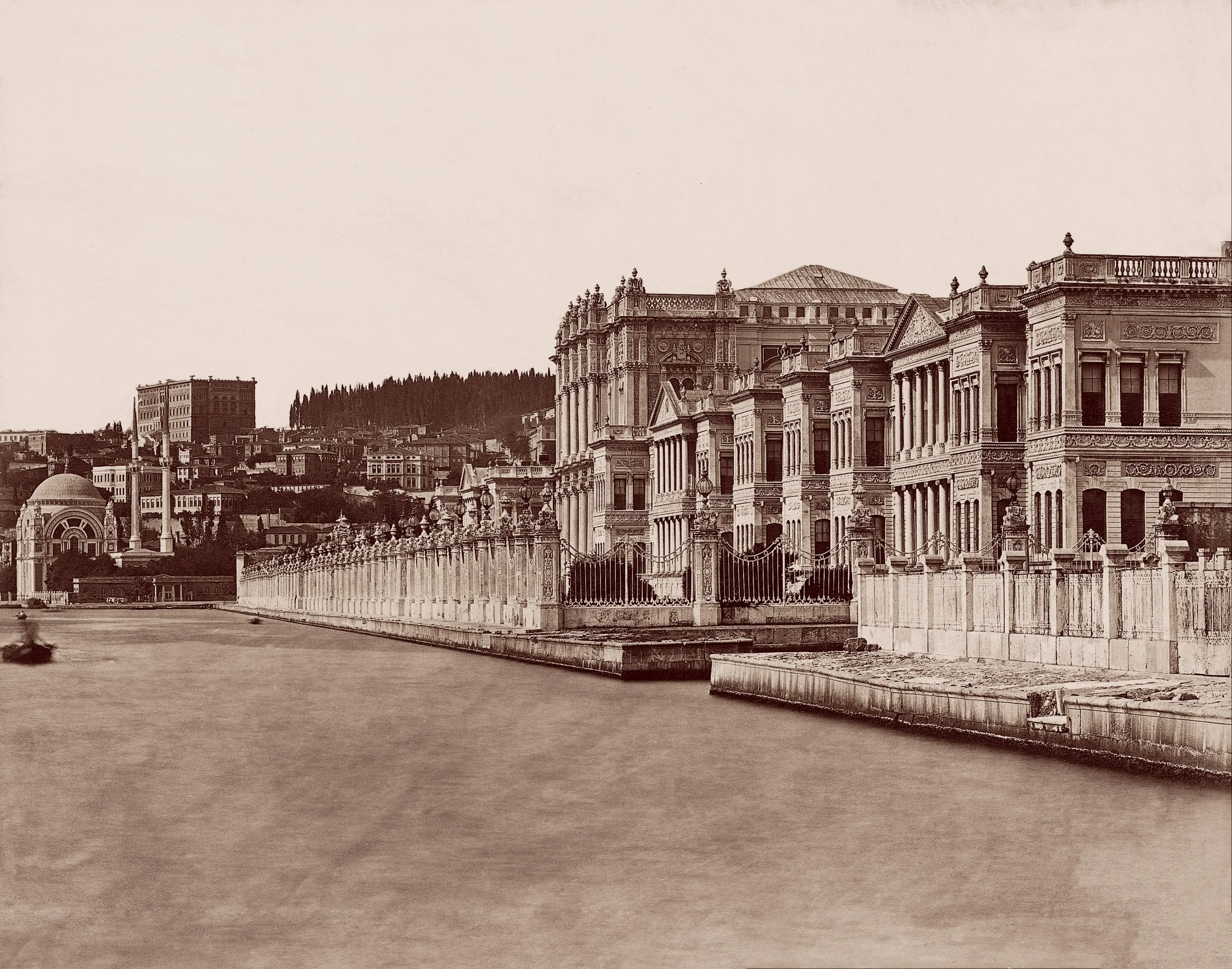
The interiors of Dolmabahçe are rich not only in decoration but in hierarchy. Rooms differ in scale and mood according to function: waiting, receiving, negotiating, celebrating, or retreating. The Ceremonial Hall, perhaps the most famous interior, is engineered for awe. Its volume, light, and decorative precision create an atmosphere where the individual feels small and the institution feels immense. It is architecture as persuasion.
Yet alongside that grandeur, there are subtler spaces where texture, furniture, and proportion convey a different message: restraint, refinement, and controlled intimacy. Carpets, clocks, crystal fixtures, and wall treatments are not just decorative extras; they are historical documents of taste, technology, and trade networks. A careful visitor reads these rooms almost like archives, each object a clue to the social world that once animated the palace.
The Harem and private imperial life
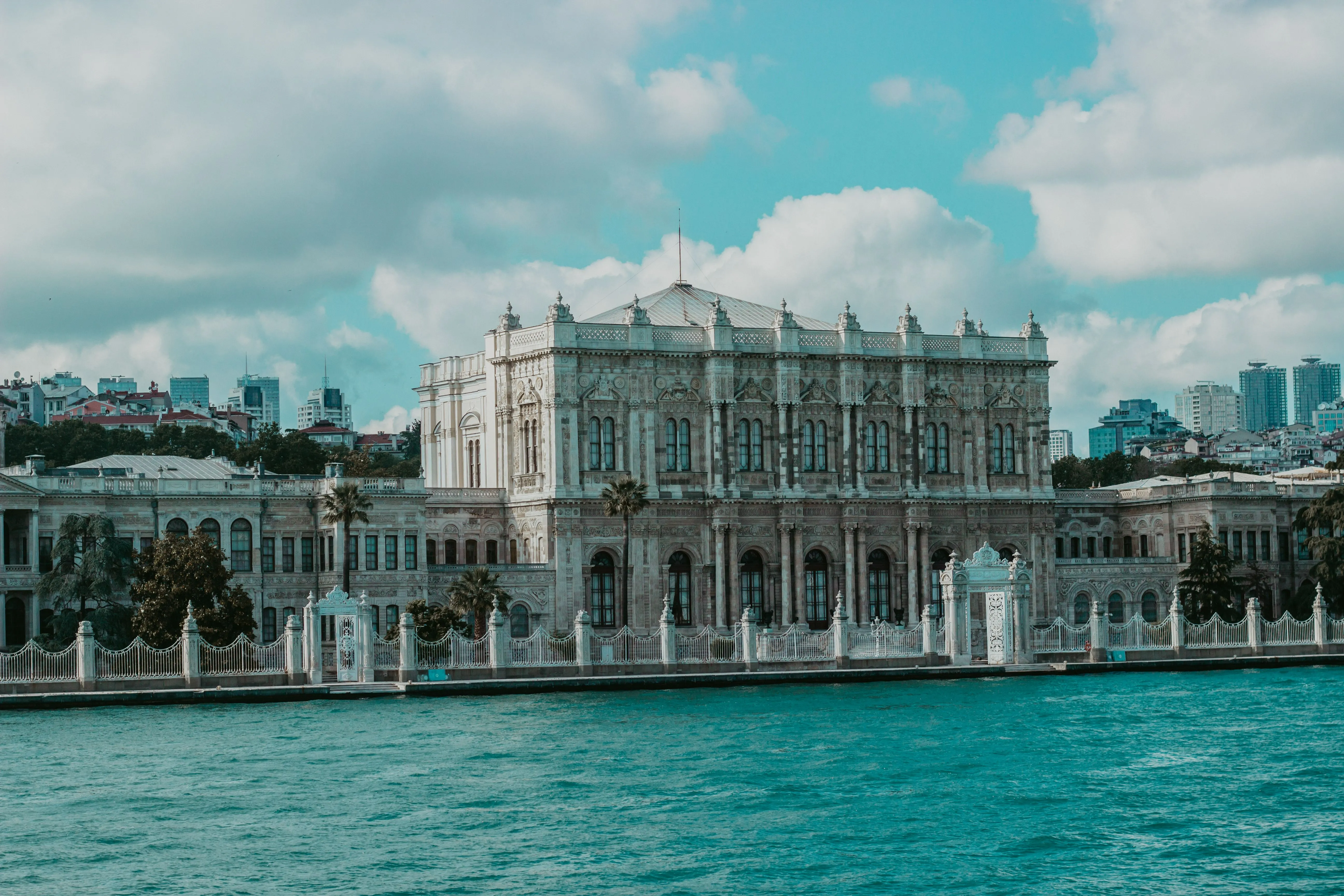
Public imagination often treats palaces as purely ceremonial spaces, but the Harem section reminds us that governance and daily life were deeply intertwined. Here the tempo shifts. Instead of monumental display, you encounter rooms organized around domestic rhythms, family structures, and controlled privacy. The architecture softens, circulation changes, and the emotional atmosphere becomes more intimate.
Historically, the Harem was neither a simple fantasy space nor a single social category; it was a complex institution shaped by status, duty, kinship, and protocol. Visiting these sections today can challenge stereotypes and enrich understanding of court society. You begin to see the palace not just as a stage for state power, but as a lived environment where personal lives unfolded under intense political visibility.
Dolmabahçe in the late Ottoman period
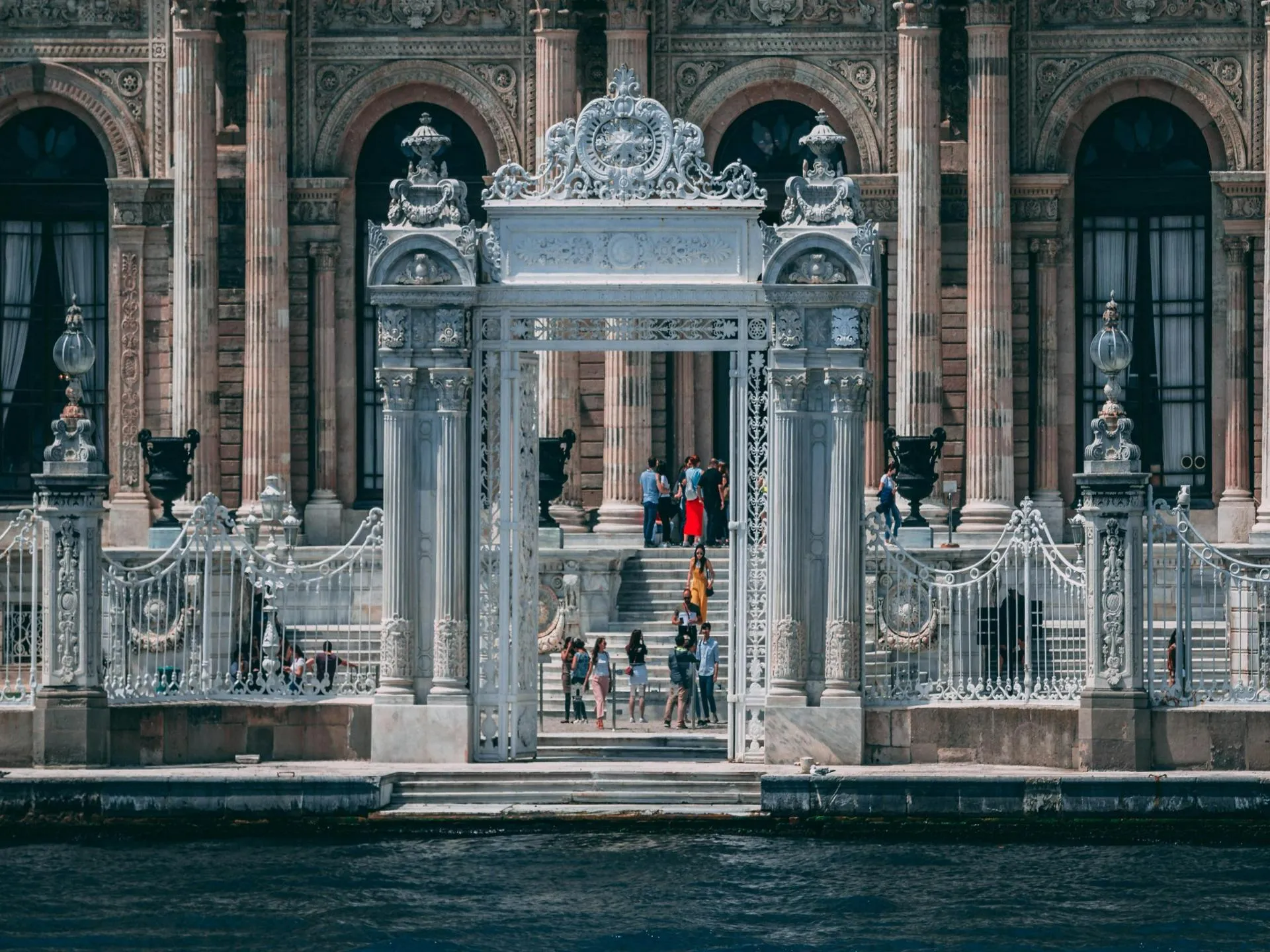
As the 19th century moved toward the 20th, the palace witnessed a period of profound transition. Reform efforts, fiscal pressure, international crises, and constitutional debates reshaped imperial governance. Dolmabahçe stood at the center of these transformations, hosting rituals of continuity even as the underlying political system faced accelerating strain. In this period, the palace became both a symbol of aspiration and a silent observer of uncertainty.
That historical tension gives Dolmabahçe much of its emotional depth today. It is not just a monument to confidence; it is also a witness to fragility. Visitors often sense this duality: overwhelming beauty paired with the awareness that the world it represented was changing rapidly. The final Ottoman decades are written into the building’s very atmosphere, where grandeur and vulnerability coexist.
Atatürk and the palace in republican memory
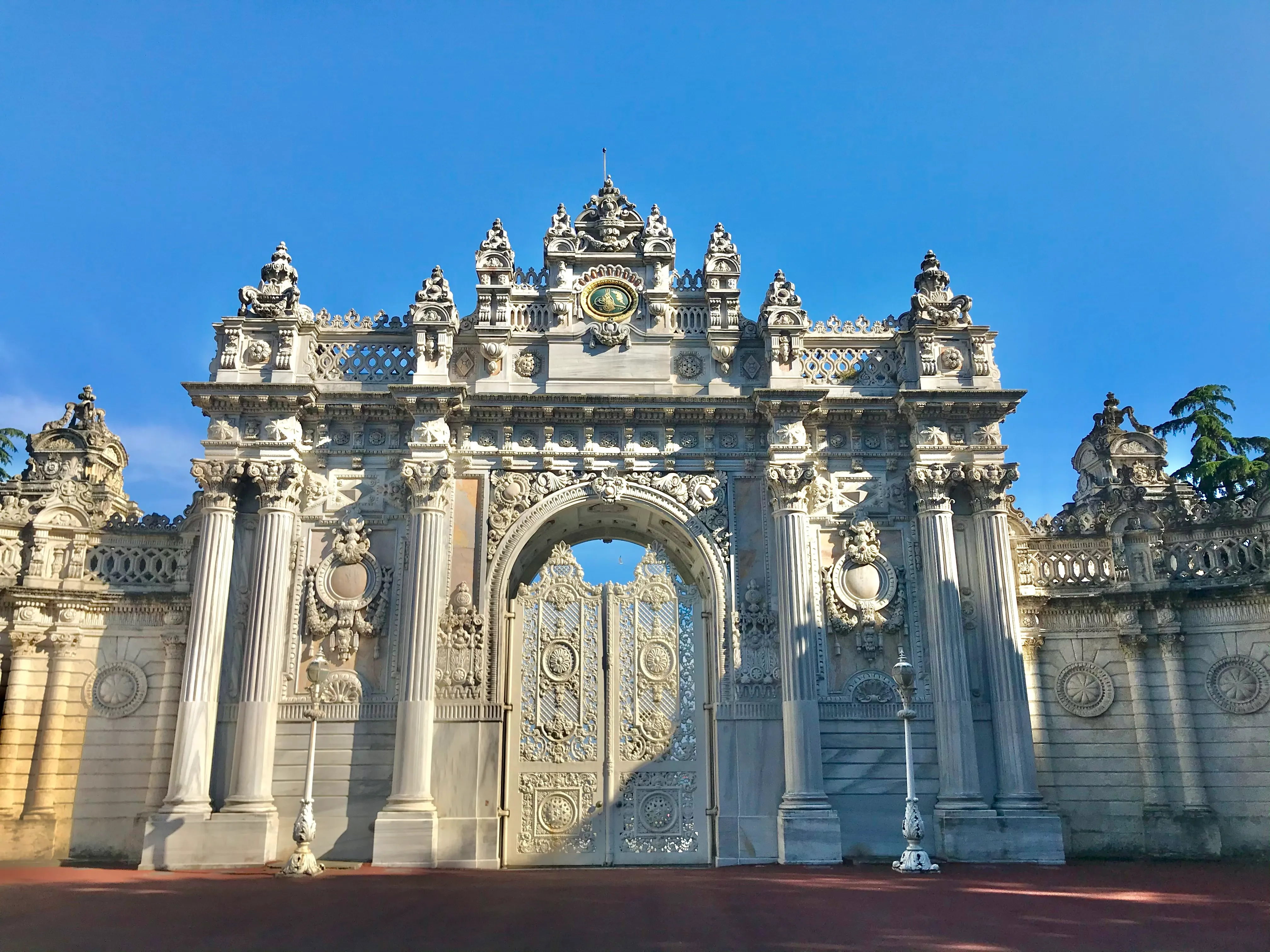
Dolmabahçe’s significance did not end with the Ottoman dynasty. In the republican era, the palace gained additional meaning through its association with Mustafa Kemal Atatürk, founder of modern Turkey, who used it at key moments and spent his final days there in 1938. This layer of memory transformed the site from an imperial residence into a place of national reflection.
For many visitors, this is one of the most poignant dimensions of the palace. The same halls that once projected dynastic ceremony also became settings for republican statecraft and personal farewell. That overlap of imperial and republican narratives is rare and powerful. It allows Dolmabahçe to function as a bridge across political eras, connecting different chapters of Turkish history within a single architectural frame.
Art, craftsmanship, and material splendor
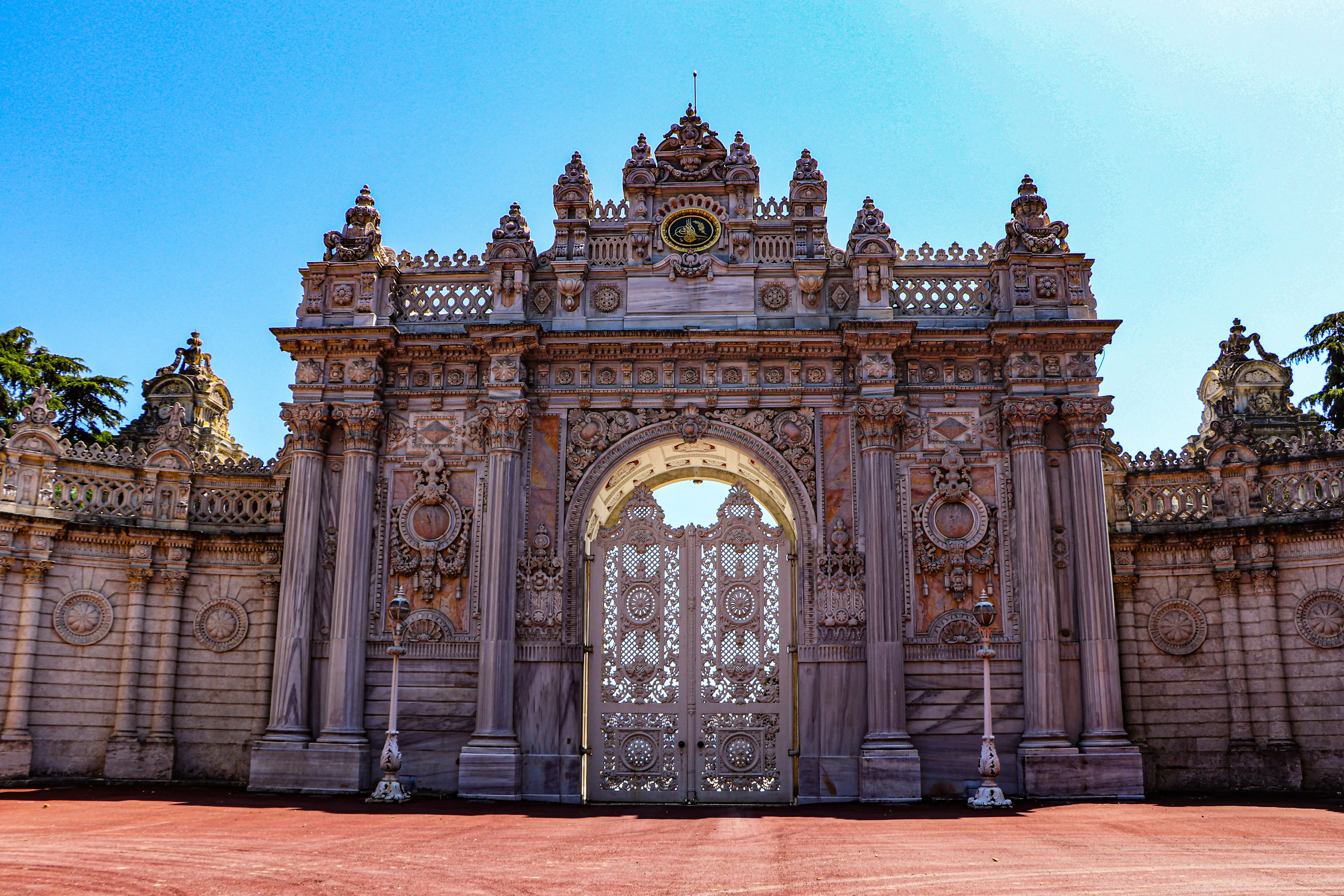
Beyond politics, Dolmabahçe is a remarkable repository of decorative and applied arts. Textiles, woodwork, metalwork, stucco, painted surfaces, and lighting systems reveal the technical capacities of workshops and artisans working at elite levels. Some materials were sourced through global trade routes, while many finishing techniques reflect local expertise refined over generations.
Interesting fact: visitors often remember the grand chandeliers first, but specialists also point to less obvious masterpieces—intricate parquet patterns, precision joinery, and layered surface treatments that only reveal themselves when you slow down. The palace rewards attentive looking. Even repeated visits can uncover new details, which is one reason historians, designers, and architects continue returning to study it.
Bosphorus setting and urban identity
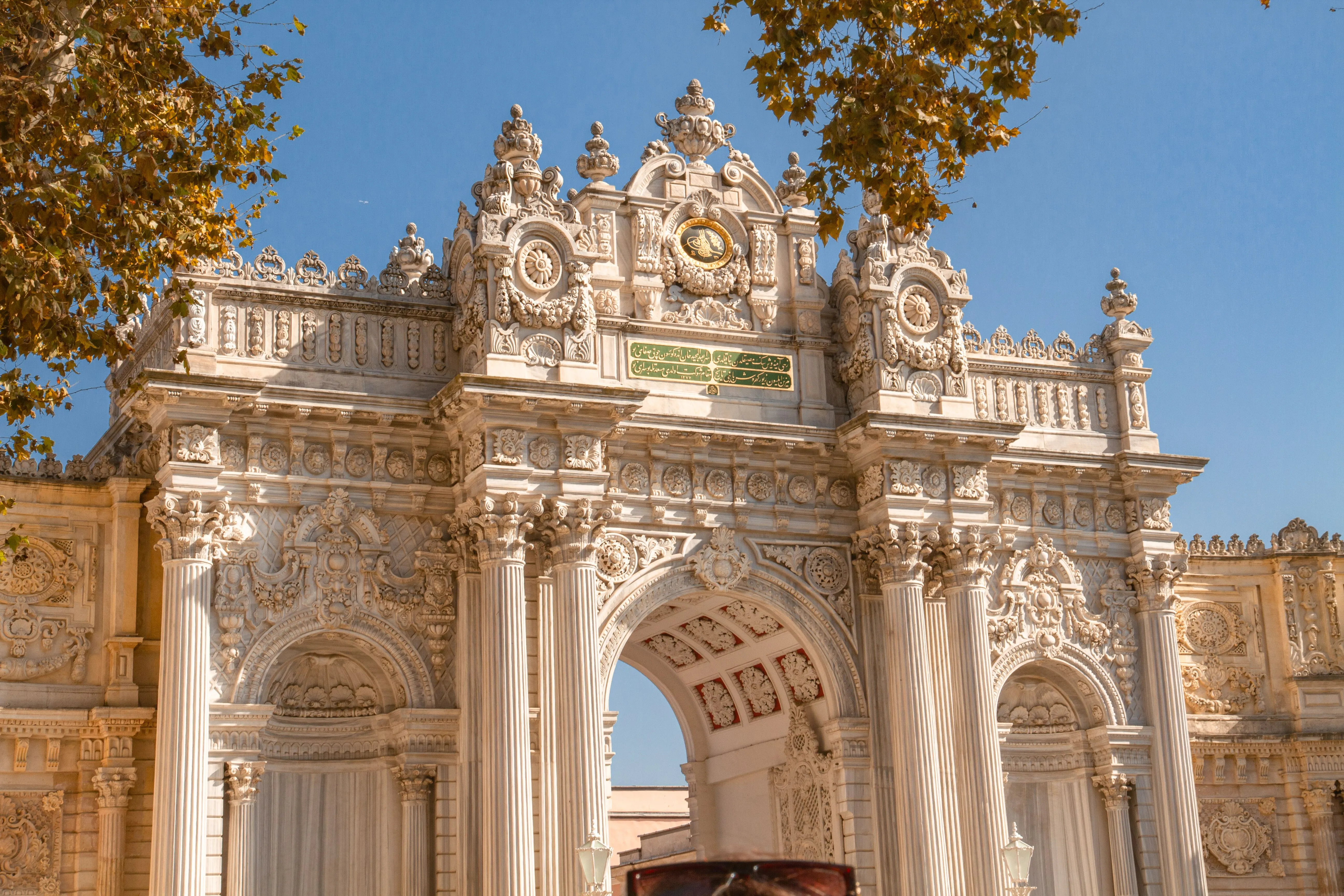
Dolmabahçe does not stand apart from Istanbul; it participates in the city’s daily choreography. Ferries move across the strait, commuters pass nearby, and the shoreline remains alive with urban rhythm. Against that backdrop, the palace appears almost theatrical yet deeply grounded, an emblem of how Istanbul carries monumental history within contemporary motion.
Its waterfront position also changes how people experience time. You can leave a busy modern avenue, enter imperial interiors, and emerge again into the pulse of present-day Beşiktaş within a single afternoon. That temporal layering—past, present, and future in immediate proximity—is one of Istanbul’s defining qualities, and Dolmabahçe expresses it with unusual clarity.
Conservation, restoration, and modern stewardship
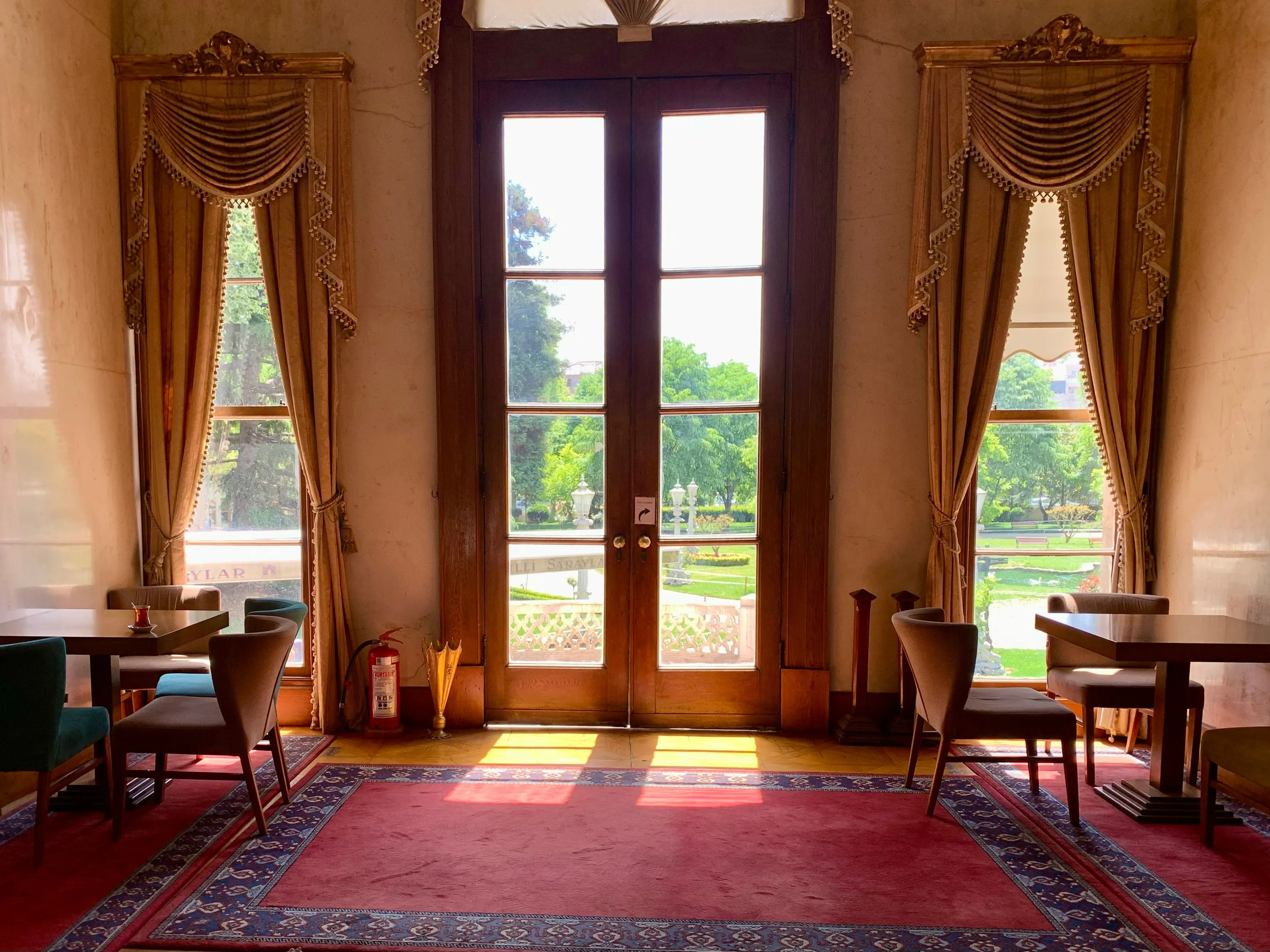
Preserving Dolmabahçe is a continuous and highly specialized task. Coastal humidity, urban pollution, heavy footfall, and material aging all place pressure on fragile interiors and exterior stonework. Conservation teams must balance access with protection, allowing the public to encounter the palace while safeguarding surfaces, textiles, and structural elements for future generations.
This stewardship is often invisible to casual visitors, yet it is essential. Climate control strategies, periodic restoration campaigns, and careful visitor management all contribute to the palace’s long-term survival. Supporting official institutions and respecting on-site rules are small but meaningful ways visitors participate in that preservation effort.
How to read the palace during your visit
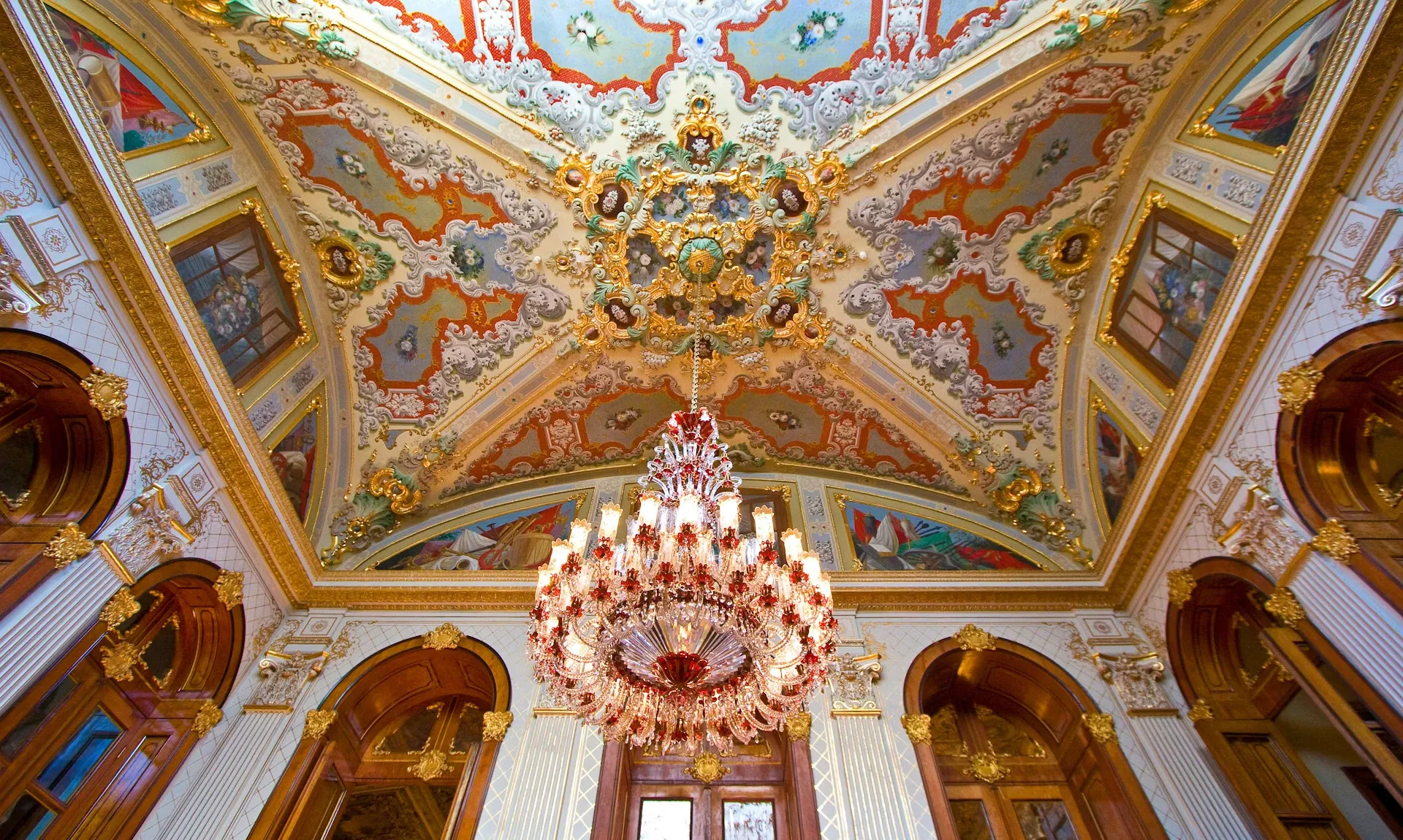
A rewarding Dolmabahçe visit is less about rushing through rooms and more about reading relationships: public versus private, ceremony versus intimacy, Ottoman continuity versus modern adaptation. Try to notice how movement is choreographed. Ask why certain spaces expand dramatically while others compress. Observe where the Bosphorus appears through windows and how those views shape mood and meaning.
If you enjoy historical interpretation, give yourself permission to pause often. Look up at ceilings, then down at floor patterns; compare one room’s furniture language with another; listen to guide explanations even on details that seem small. In Dolmabahçe, details are rarely accidental. They are part of the narrative fabric, and they reward patient attention.
Why Dolmabahçe still resonates today
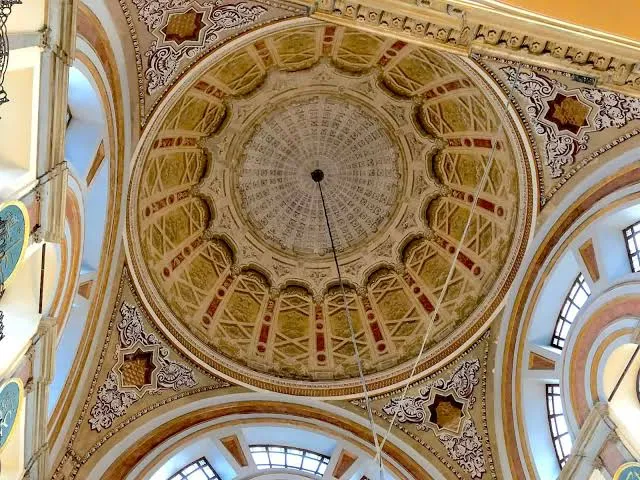
Dolmabahçe remains compelling because it captures a universal human story: how societies reinvent themselves without fully letting go of their past. The palace is visually magnificent, yes, but its deeper power comes from historical complexity. It embodies ambition, adaptation, vulnerability, and memory—all at once.
When visitors leave, they rarely remember only one room. They remember a sequence of sensations: the brightness of crystal under high ceilings, the calm of the waterfront, the gravity of state history, the intimacy of private quarters, and the feeling that Istanbul’s layered identity has become briefly tangible. That is why Dolmabahçe is not merely a place to see; it is a place to feel, interpret, and return to.
Table of Contents
Before Dolmabahçe: imperial capitals and shifting priorities
Long before Dolmabahçe rose along the Bosphorus, Ottoman court life was centered in earlier palace complexes, most famously Topkapı. Those spaces reflected an older model of sovereignty: inward-looking, layered, ceremonial, and deeply tied to classical imperial protocols. Yet by the 18th and 19th centuries, the empire faced new diplomatic pressures, military challenges, and administrative reforms. A changing world demanded a changing visual language of rule. Istanbul itself was transforming into a modern imperial capital connected to European powers through trade, diplomacy, finance, and technology, and the court needed a stage that could speak fluently in that new international vocabulary.
In that climate, the idea of a new palace was not merely aesthetic ambition; it was political communication. Architecture had become argument. The state needed to project continuity and strength while signaling adaptability. Dolmabahçe emerged from this transitional moment: neither a rejection of Ottoman identity nor a simple imitation of Europe, but a complex attempt to present empire as modern, cultured, and globally conversant. Seen this way, the palace begins before its first stone was laid—inside the tensions and aspirations of a century in motion.
Why build a new palace on the Bosphorus
The choice of site mattered as much as the building itself. The Bosphorus was not just scenic water; it was a geopolitical corridor where embassies, merchants, naval movement, and urban life converged. Building an imperial residence here meant placing sovereignty in full public view, visible from land and sea alike. The shoreline became a ceremonial façade, a statement to arriving dignitaries and passing observers: the empire was present, elegant, and institutionally alive.
There is also a symbolic poetry in the name Dolmabahçe, often interpreted as filled garden, linked to land reclaimed and reshaped over time. That transformation mirrors the broader project of the palace itself: to remake inherited space into a modern imperial environment. In practical terms, the location improved access, visibility, and representation. In historical terms, it announced a shift in how power wished to be seen.
Design language: Ottoman prestige and European influence
Dolmabahçe is frequently described as European in style, but that shorthand only captures part of the story. Yes, you see strong references to Baroque, Rococo, and Neoclassical decorative vocabularies: dramatic symmetry, theatrical ceilings, monumental staircases, and richly ornamented surfaces. Yet these elements are not copied blindly. They are curated, adapted, and folded into Ottoman ceremonial needs, court rhythms, and political symbolism. The result is a hybrid language, confident and deliberate.
This fusion reveals the sophistication of late Ottoman cultural policy. Rather than presenting tradition and modernity as opposites, Dolmabahçe stages them side by side. You encounter local craftsmanship alongside imported luxury, imperial protocol framed within cosmopolitan design, and deeply rooted political institutions rendered through updated visual forms. For visitors today, this blend is one of the palace’s most compelling features: it feels at once familiar and unique, recognizably global yet unmistakably Istanbul.
Ceremony, protocol, and diplomatic theater
To walk through Dolmabahçe is to understand that palaces are machines of choreography. Every axis, threshold, and reception room shaped how rank was perceived and how ritual unfolded. Diplomatic audiences, state receptions, and ceremonial gatherings were not random social encounters; they were tightly scripted events where architecture amplified political meaning. Distances between doors, heights of ceilings, and sequences of rooms all contributed to the grammar of authority.
In that sense, Dolmabahçe functioned as diplomatic theater in the most refined form. Foreign envoys did not simply enter a building; they entered a narrative of order, wealth, and continuity. The palace signaled that the Ottoman state understood international norms of representation and could perform them at the highest level. Even today, standing in those halls, visitors often feel the residual energy of staged encounters—moments when history was negotiated in conversation, posture, and architectural spectacle.
Inside the palace: state rooms and symbolic spaces
The interiors of Dolmabahçe are rich not only in decoration but in hierarchy. Rooms differ in scale and mood according to function: waiting, receiving, negotiating, celebrating, or retreating. The Ceremonial Hall, perhaps the most famous interior, is engineered for awe. Its volume, light, and decorative precision create an atmosphere where the individual feels small and the institution feels immense. It is architecture as persuasion.
Yet alongside that grandeur, there are subtler spaces where texture, furniture, and proportion convey a different message: restraint, refinement, and controlled intimacy. Carpets, clocks, crystal fixtures, and wall treatments are not just decorative extras; they are historical documents of taste, technology, and trade networks. A careful visitor reads these rooms almost like archives, each object a clue to the social world that once animated the palace.
The Harem and private imperial life
Public imagination often treats palaces as purely ceremonial spaces, but the Harem section reminds us that governance and daily life were deeply intertwined. Here the tempo shifts. Instead of monumental display, you encounter rooms organized around domestic rhythms, family structures, and controlled privacy. The architecture softens, circulation changes, and the emotional atmosphere becomes more intimate.
Historically, the Harem was neither a simple fantasy space nor a single social category; it was a complex institution shaped by status, duty, kinship, and protocol. Visiting these sections today can challenge stereotypes and enrich understanding of court society. You begin to see the palace not just as a stage for state power, but as a lived environment where personal lives unfolded under intense political visibility.
Dolmabahçe in the late Ottoman period
As the 19th century moved toward the 20th, the palace witnessed a period of profound transition. Reform efforts, fiscal pressure, international crises, and constitutional debates reshaped imperial governance. Dolmabahçe stood at the center of these transformations, hosting rituals of continuity even as the underlying political system faced accelerating strain. In this period, the palace became both a symbol of aspiration and a silent observer of uncertainty.
That historical tension gives Dolmabahçe much of its emotional depth today. It is not just a monument to confidence; it is also a witness to fragility. Visitors often sense this duality: overwhelming beauty paired with the awareness that the world it represented was changing rapidly. The final Ottoman decades are written into the building’s very atmosphere, where grandeur and vulnerability coexist.
Atatürk and the palace in republican memory
Dolmabahçe’s significance did not end with the Ottoman dynasty. In the republican era, the palace gained additional meaning through its association with Mustafa Kemal Atatürk, founder of modern Turkey, who used it at key moments and spent his final days there in 1938. This layer of memory transformed the site from an imperial residence into a place of national reflection.
For many visitors, this is one of the most poignant dimensions of the palace. The same halls that once projected dynastic ceremony also became settings for republican statecraft and personal farewell. That overlap of imperial and republican narratives is rare and powerful. It allows Dolmabahçe to function as a bridge across political eras, connecting different chapters of Turkish history within a single architectural frame.
Art, craftsmanship, and material splendor
Beyond politics, Dolmabahçe is a remarkable repository of decorative and applied arts. Textiles, woodwork, metalwork, stucco, painted surfaces, and lighting systems reveal the technical capacities of workshops and artisans working at elite levels. Some materials were sourced through global trade routes, while many finishing techniques reflect local expertise refined over generations.
Interesting fact: visitors often remember the grand chandeliers first, but specialists also point to less obvious masterpieces—intricate parquet patterns, precision joinery, and layered surface treatments that only reveal themselves when you slow down. The palace rewards attentive looking. Even repeated visits can uncover new details, which is one reason historians, designers, and architects continue returning to study it.
Bosphorus setting and urban identity
Dolmabahçe does not stand apart from Istanbul; it participates in the city’s daily choreography. Ferries move across the strait, commuters pass nearby, and the shoreline remains alive with urban rhythm. Against that backdrop, the palace appears almost theatrical yet deeply grounded, an emblem of how Istanbul carries monumental history within contemporary motion.
Its waterfront position also changes how people experience time. You can leave a busy modern avenue, enter imperial interiors, and emerge again into the pulse of present-day Beşiktaş within a single afternoon. That temporal layering—past, present, and future in immediate proximity—is one of Istanbul’s defining qualities, and Dolmabahçe expresses it with unusual clarity.
Conservation, restoration, and modern stewardship
Preserving Dolmabahçe is a continuous and highly specialized task. Coastal humidity, urban pollution, heavy footfall, and material aging all place pressure on fragile interiors and exterior stonework. Conservation teams must balance access with protection, allowing the public to encounter the palace while safeguarding surfaces, textiles, and structural elements for future generations.
This stewardship is often invisible to casual visitors, yet it is essential. Climate control strategies, periodic restoration campaigns, and careful visitor management all contribute to the palace’s long-term survival. Supporting official institutions and respecting on-site rules are small but meaningful ways visitors participate in that preservation effort.
How to read the palace during your visit
A rewarding Dolmabahçe visit is less about rushing through rooms and more about reading relationships: public versus private, ceremony versus intimacy, Ottoman continuity versus modern adaptation. Try to notice how movement is choreographed. Ask why certain spaces expand dramatically while others compress. Observe where the Bosphorus appears through windows and how those views shape mood and meaning.
If you enjoy historical interpretation, give yourself permission to pause often. Look up at ceilings, then down at floor patterns; compare one room’s furniture language with another; listen to guide explanations even on details that seem small. In Dolmabahçe, details are rarely accidental. They are part of the narrative fabric, and they reward patient attention.
Why Dolmabahçe still resonates today
Dolmabahçe remains compelling because it captures a universal human story: how societies reinvent themselves without fully letting go of their past. The palace is visually magnificent, yes, but its deeper power comes from historical complexity. It embodies ambition, adaptation, vulnerability, and memory—all at once.
When visitors leave, they rarely remember only one room. They remember a sequence of sensations: the brightness of crystal under high ceilings, the calm of the waterfront, the gravity of state history, the intimacy of private quarters, and the feeling that Istanbul’s layered identity has become briefly tangible. That is why Dolmabahçe is not merely a place to see; it is a place to feel, interpret, and return to.